
Beyond a Seat at the Table: The Power of Intentional Inclusion for Women in IT
Beyond a Seat at the Table: The Power of Intentional Inclusion for Women in IT
Written by: Sonia Baccus Hooks, Senior Advisor, ClassLink
The Tech industry has long been a male-dominated world. According to The World Bank, women make up less than a third of the world’s workforce in technology-related fields.
Even more concerning: 56% of women in technology leave their employers mid-career, and half exit the industry by age 35, often citing lack of growth opportunities, poor work-life balance, or a persistent “bro culture” (Resetting Tech Culture study by Accenture).
Now that I’m retired and reflecting on my career as an Assistant Director of Technology at the Los Angeles County Office of Education, I realize something important.
I was often the only woman in rooms filled with men managing application development, infrastructure, networks, and cybersecurity. But I was fortunate. Forward-thinking men welcomed me. My voice was valued. My leadership was pivotal to the department's success.
While I experienced inclusion, the data tells a different story for many women in technology.
A seat at the table is powerful. But it's not enough.
Intentional Inclusion Changes Everything
So what does intentional inclusion actually look like?
I saw it firsthand at a recent California IT in Education (CITE) convention, my first since 2023. Roughly 70% of attendees were men. The imbalance was noticeable.
But so was the solution.
Under the leadership of newly elected CITE board president Maggie Bunten and Executive Director Andrea Bennett, the organization is turning ideas into action. What began as conversations about attendance ratios a few years ago has turned into tangible support systems for women in the field, with CITE hosting meetings to foster their professional growth and networking opportunities.
“The CITE Women’s Network was created as a dedicated space for women and allies to connect, uplift, and support one another. It’s a safe, empowering space where we lift each other up, celebrate every win, and push beyond getting a seat at the table – we hope to build new ones," said Maggie Bunten.
That's the shift. Not just inclusion. Intention.
More Than Networking — Building Belonging
At the CITE paint-and-sip event, more than fifty women gathered. Music played. Laughter filled the room. We sang oldies and painted a bridge stretching over the Sacramento River while a balloon floated upward in celebration of the organization’s 65th anniversary.
It may sound simple. Paint. Music. Conversation.
But it was more than that.
Reflecting on these paintings, I see them as a microcosm of hope as women look to soar over obstacles and find our place in the world of IT.
Kate Anastario, Vice President of Educational Success, ClassLink, was also there and saw the magic. “ClassLink is proud to sponsor the CITE Women’s Network because we believe that expanding access, amplifying diverse voices, and empowering women in STEM strengthens the future of education and innovation. By supporting these initiatives, we’re investing in a more inclusive tech community, one where every learner and leader has the opportunity to thrive.”
Why This Matters for Districts, Not Just Women
These gatherings aren’t just feel-good moments. They create momentum. They build confidence. They strengthen entire districts.
When women are supported, mentored, and invited into leadership, innovation expands. Perspectives widen. Students benefit.
Most recently, I was welcomed to ClassLink as a Senior Advisor supporting our partner districts. In this role, I had the privilege of speaking with three remarkable women in technology who aren't waiting for change; they're creating it.
Bertha Roman: From Classroom to Catalyst
I’ve known Bertha Roman for decades. I watched her journey from a teacher on special assignment (TOSA) to Director of Education Technology at Santa Monica-Malibu Unified School District.
She began attending regional CITE meetings in rooms where she was often one of the few women. She was welcomed, and she leaned in. Eventually, she presented at CITE and encouraged her female senior technicians to pursue certifications and hands-on experience.
She sought out conferences. Built networks. Expanded her team’s knowledge.
Bertha didn’t just rise.
She reached back and lifted others with her.
Jamie Lewsadder: Leading With Intention
Jamie Lewsadder, Associate Superintendent of Technology Services at La Cañada Unified, began as an English TOSA, helping peers integrate technology into their classrooms. A female superintendent encouraged her to further develop her skills, and that invitation changed her trajectory.
Now, Jamie is intentional about identifying talent beyond traditional IT pathways. Her district crosswalks skills from outside departments, inviting those open to learning into the technology space.
Student technology councils provide feedback on innovation. Internships create real-world pathways. Girls are intentionally invited into leadership conversations.
Because leadership isn’t accidental. It’s invited.
Dr. Kelly May-Vollmar: Planting Seeds Early
My final interview was with Dr. Kelly May-Vollmar, Superintendent of Desert Sands Unified School District, who also began in the classroom. When the opportunity arose to serve as Chief Innovation and Information Officer, she said yes — and joined the Consortium for School Networking (CoSN), where she now serves as a board member.
Years ago, she convinced her superintendent that their new K–5 school should emphasize coding. Today, every student participates in weekly coding activities.
Why?
Because exposure builds confidence. And confidence builds careers.
In 2026, she will launch the inaugural “Tech in Tiaras” event for girls in grades 4–8, a day of hands-on STEAM exploration. She also hosts a Women in LeadHERship event for district staff, intentionally developing women leaders who will serve as role models.
This is what building new tables looks like.
Inclusion Doesn’t Happen by Accident
Are women being embraced? In many places, yes. I see it in our partner districts. I see it in the leaders who shared their stories.
But there is more work to do.
It begins in classrooms, where teachers champion girls who may not have perfect grades but have untapped potential. It continues in workplaces, where women are not just hired, but developed.
To the gentlemen reading this: we need you as allies.
If this were your daughter, your sister, your mother, would you want her fighting for a seat at the table?
Let’s move beyond offering seats. Let’s build new tables together.
###
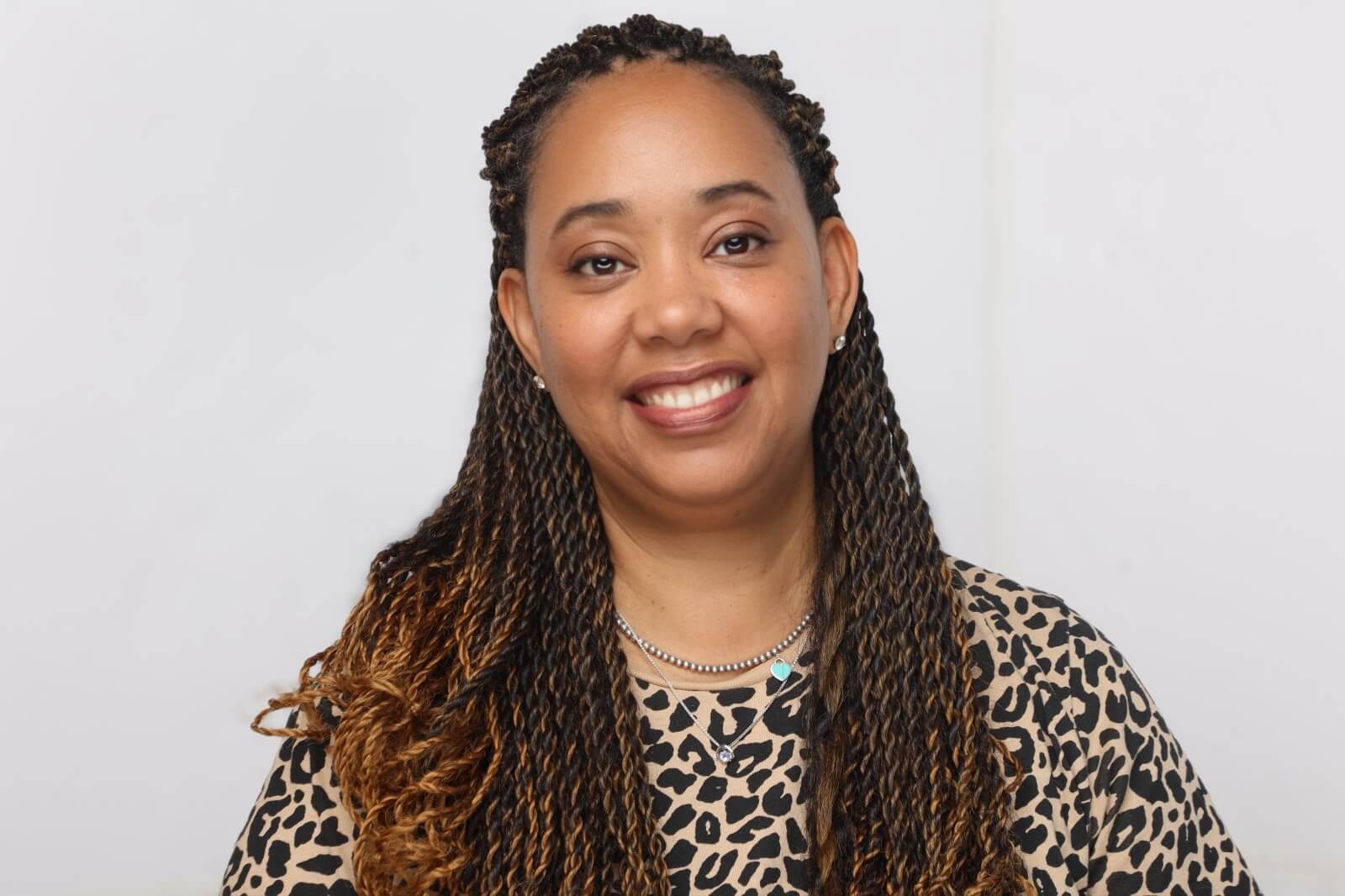
Sonia Baccus Hooks is a retired Assistant Director of Technology Services, Los Angeles County Office of Education and the 2023 CITE Regional Community Award Recipient. She currently serves as a Senior Advisor for ClassLink advocating for Women in IT and closing the digital divide.